
Colorado license plates act as official identification for registered vehicles and confirm active vehicle registration within the state. They connect a car, truck, or motorcycle to DMV Colorado records used by law enforcement and public agencies. Drivers, buyers, and sellers rely on accurate plate details during renewals, transfers, and traffic checks. This information supports lawful road use across Colorado.
Colorado license plates reflect key colorado plate info such as plate type, validation status, and state recognition. Each plate works with title and registration data to confirm ownership history and compliance. State plates appear during parking checks, toll reviews, and roadside stops. Clear plate knowledge helps vehicle owners avoid errors and delays.

What Is a Colorado License Plate?
A Colorado license plate is a state-issued registration plate that shows a vehicle is legally registered for road use. These state plates support motor vehicle identification through records managed by the Department of Revenue.
Colorado license plates are metal or specialty plates fixed to vehicles after registration approval. Each plate shows a unique number that links the vehicle to official state records.
Main Purpose of State Plates
The purpose of colorado license plates is to confirm that a vehicle meets legal road requirements. Plates help authorities check registration status during traffic stops, parking checks, and toll reviews.
Plates confirm:
- Active vehicle registration
- Payment of required state fees
- Road-legal status within Colorado
Legal Role in Colorado
State plates serve as proof of registration, not ownership. Ownership details stay on the vehicle title, while plates reflect current registration status. Plates may change after a sale, yet the vehicle record remains consistent in state systems.
How Plates Identify Vehicles
A registration plate identifies the vehicle, not the driver or owner. The plate number connects to motor vehicle identification data such as make, model, year, and registration term.
What plates link to:
- Vehicle details in Department of Revenue records
- Registration history and renewal dates
- Compliance with state traffic laws
What plates do not show:
- Driver name
- Personal address
- Private identification details
Are License Plates Public Records in Colorado?
A Colorado license plate itself is visible to the public, yet most related details stay restricted by privacy laws. Colorado license plate lookup rules follow state public records standards and federal protections like the DPPA.
Public Record Status in Colorado
Colorado license plates fall under public records Colorado rules in a limited way. The plate number can be seen on any vehicle driven on public roads. This visibility does not mean full records are open for public use.
Basic plate data exists inside state systems run by the Department of Revenue. Only approved parties may request or view deeper record details.
What Information Is Available
Some non-personal details may appear in approved searches tied to lawful purposes.
Commonly available details may include:
- Vehicle make and model
- Vehicle year
- Registration status
- Plate type, such as standard or specialty
These details relate to the vehicle itself, not the owner.
What Information Is Protected
Privacy laws block public release of personal data connected to a plate number. The DPPA sets strict limits on what can be shared.
Protected details include:
- Owner name
- Home address
- Phone number
- Driver license details
This protection applies across online tools and offline record requests.
Legal Boundaries and Privacy Laws
Colorado license plate lookup activity must follow state law and the DPPA. Use outside approved purposes may lead to legal action. Law enforcement, insurance firms, and government agencies operate under defined authority.
Colorado License Plate Lookup
A Colorado license plate lookup helps identify vehicle details linked to a plate, but owner information is protected by law. VIN lookup Colorado provides additional vehicle-specific data while still respecting privacy rules.
Legal Lookup Purposes
Colorado law allows license plate and VIN lookups only for authorized purposes. These include:
- Law enforcement investigations
- Insurance claims verification
- Vehicle purchases or transfers
- Governmental or legal use
Attempting searches outside these purposes, such as for personal tracking or marketing, is illegal and can lead to penalties.
Free vs Official Sources
Some websites claim to provide Colorado license plate lookup for free. These often show limited information like:
- Vehicle make and model
- Year of registration
- Plate type (standard or specialty)
Official sources, such as the Colorado Department of Revenue, provide complete and accurate records. Access requires proper authorization and may involve a small fee.
Why Owner Information Is Restricted
Owner information, including name and address, is protected under the Driver’s Privacy Protection Act (DPPA). This ensures privacy and prevents misuse of personal data. Only government agencies, law enforcement, and certain approved organizations may access this information legally.
VIN vs Plate Lookup Differences
- License Plate Lookup: Primarily identifies the vehicle via its plate number. Provides registration status, make, model, year, and plate type. Owner info is blocked.
- VIN Lookup Colorado: Uses the Vehicle Identification Number to reveal more detailed vehicle history, such as recalls, accident records, or title status. Still does not provide private owner details unless requested legally.
Table –Comparison:
| Lookup Type | What You Can Find | Owner Info Available | Notes |
|---|---|---|---|
| Colorado License Plate | Make, model, year, plate type | ❌ | Publicly visible plate details |
| VIN Lookup Colorado | Full vehicle history, recalls | ❌ | More technical details, legal use only |
Types of Colorado License Plates
Colorado offers a variety of license plate types to suit different vehicle owners and purposes. These plates include standard, specialty, and personalized options, each with distinct rules, appearances, and eligibility requirements. Understanding the differences helps vehicle owners select the right plate while complying with DMV Colorado regulations.
Standard Issue Plates
Standard plates are the most common Colorado license plates and are issued automatically when registering a vehicle. They are typically silver or white with blue and red accents, featuring a mountain silhouette and the word “Colorado.”
- Eligibility: All vehicles registered in Colorado receive a standard plate by default unless the owner requests a specialty or personalized plate.
- Purpose: Standard plates serve as the official registration identifier and proof of lawful operation on public roads.
- Appearance: Plates include a unique alphanumeric sequence, the state name, and the registration sticker showing expiration.
- Rules: Standard plates must be displayed on both the front and rear of most vehicles, except motorcycles and trailers, which usually require only a rear plate. Damaged or unreadable plates must be replaced promptly.
Specialty License Plates
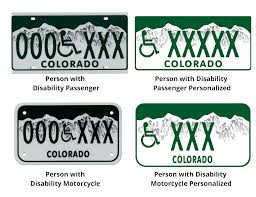
Specialty license plates allow owners to support causes, organizations, or state programs while maintaining vehicle registration. These plates can include collegiate logos, wildlife designs, or nonprofit emblems.
- Eligibility: Any registered vehicle owner can request a specialty plate, usually for an additional fee. Some plates require proof of affiliation with the represented organization or cause.
- Purpose: They raise awareness, support programs financially, and provide a visual distinction from standard plates.
- Appearance: Designs vary widely but must still include a unique plate number, the state name, and official registration validation.
- Rules: Specialty plates follow the same display requirements as standard plates. Fees often include a standard registration charge plus a specialty plate surcharge. Renewal is annual and handled through DMV Colorado.
Personalized License Plates
Personalized plates, also called vanity plates, allow vehicle owners to create a unique combination of letters and numbers. These plates provide personal expression while adhering to state regulations.
- Eligibility: Vehicle owners may request personalized plates if the chosen combination is available and complies with Colorado’s character rules. Offensive language or prohibited phrases are rejected.
- Purpose: Personalized plates allow creative identification and personal branding, making vehicles easily recognizable.
- Appearance: Like standard and specialty plates, personalized plates display the state name and registration sticker. The alphanumeric sequence reflects the owner’s custom choice.
- Rules: Personalized plates are subject to DMV Colorado approval. Fees include standard registration costs plus an additional charge for the customization. Plates must be renewed annually, and the design must remain legible.
Summary Table – Colorado Plate Types
| Plate Type | Eligibility | Appearance | Purpose | Rules |
|---|---|---|---|---|
| Standard Issue | Automatic for all vehicles | Silver/white, blue-red accents | Legal registration identifier | Front and rear display, replace if damaged |
| Specialty License Plates | Request with fees, proof may be required | Unique designs, logos | Support causes, organizations | Same as standard, annual renewal fees |
| Personalized Plates | Request with available combination | Custom alphanumeric | Personal expression, branding | DMV approval, annual renewal, legible |
How to Get a License Plate in Colorado
Getting a license plate in Colorado requires completing the vehicle registration process through DMV Colorado, either in person or online. The process ensures your vehicle meets legal standards and is properly documented.
Decide Between In-Person or Online Registration
Vehicle owners can get a license plate in Colorado either at a local DMV office or through the state’s online portal.
- In-Person: Visiting a DMV allows staff to assist with paperwork, verify documents, and complete VIN verification on the spot. This is recommended for first-time registrations, specialty plates, or if the vehicle is new to the state.
- Online: Some renewals and standard plate requests can be processed online. Online registration is convenient for those who already have all necessary documents and a valid Colorado insurance policy.
Prepare Required Documents
Before registering a vehicle, gather the following items:
- Proof of Identification: A valid driver’s license or state-issued ID.
- Vehicle Title: Must show ownership or lienholder information.
- Proof of Colorado Vehicle Insurance: Coverage meeting state minimum requirements.
- VIN Verification Form: For out-of-state or newly purchased vehicles.
- Odometer Reading: Required for vehicles under ten years old.
Having these documents ready ensures a smooth process and reduces the likelihood of multiple DMV visits.
Insurance Requirement
Colorado law requires active vehicle insurance before a plate can be issued. The insurance must meet minimum liability limits:
- $25,000 for bodily injury per person
- $50,000 for total bodily injury per accident
- $15,000 for property damage
Owners must provide proof of insurance either online or in person. DMV Colorado will not process registration without valid coverage.
Vehicle Identification Number (VIN) Verification
VIN verification confirms the vehicle matches official records and is not stolen. For vehicles purchased out of state, a DMV-certified inspector or licensed dealership must complete this step. The verification form is submitted along with other documents.
Pay Fees and Receive Plates
Once all documents are verified and fees are paid, DMV Colorado issues your license plate. Standard plates are usually provided immediately in person, while online requests may take several days for delivery.
Checklist Summary for Getting a License Plate in Colorado
- Valid Colorado driver’s license or ID
- Vehicle title or proof of ownership
- Proof of Colorado insurance
- VIN verification form (if required)
- Odometer reading (if applicable)
- Payment for registration and plate fees
Where to Get a Colorado License Plate
Colorado DMV license plates are issued through official DMV offices, county motor vehicle offices, and select online services. Vehicle owners have multiple options depending on their location, plate type, and registration needs.
DMV Offices
State DMV offices provide full services for new registrations, specialty plates, and VIN verification. Staff can assist with document review, insurance verification, and immediate plate issuance. This option is ideal for first-time registrations or complex requests.
County Motor Vehicle Offices
Many counties in Colorado operate local motor vehicle offices under the Department of Revenue. These offices handle standard plate registration, renewals, and transfers. County offices may have shorter wait times than major DMV locations, and some offer appointment scheduling for faster service.
Online Services
Colorado offers limited online services for vehicle registration and plate requests. Standard plate renewals and some specialty plates can be processed online if all documents and insurance details are on file. However, VIN verification and first-time registrations typically require an in-person visit, so online options cannot replace all DMV procedures.
How Much Do License Plates Cost in Colorado?
The Colorado license plate cost depends on the type of plate, the vehicle, and registration details. Standard plates, specialty plates, and personalized plates all have different fees, plus taxes and DMV registration charges.
Cost Factors
Several elements affect the final registration fees:
- Vehicle Type & Weight: Passenger cars, trucks, motorcycles, and trailers are priced differently. Heavier vehicles generally pay higher fees.
- Vehicle Age: Newer vehicles may have higher initial registration fees, while older vehicles sometimes qualify for reduced rates.
- Specialty Plates: Plates supporting causes, universities, or organizations come with an extra annual surcharge in addition to the standard registration cost.
Standard vs Specialty Pricing
| Plate Type | Typical Cost Range | Notes |
|---|---|---|
| Standard Plates | $30–$50 | Includes basic registration and taxes |
| Specialty Plates | $50–$100+ | Extra surcharge depends on design & cause |
| Personalized Plates | $60–$120+ | Custom alphanumeric plates, annual fees apply |
Fees also include state taxes and local county charges. Some counties add administrative fees or environmental fees depending on vehicle classification. Costs vary because each plate type, vehicle category, and location may have unique surcharges or exemptions.
How Long Does It Take to Get License Plates in Colorado?
Colorado plate issuance times vary based on the registration method and plate type. Standard plates issued in person are usually available immediately, while specialty or personalized plates may take longer.
- In-Person DMV/County Office: Standard plates are often given on the same day. Specialty and personalized plates may require 2–4 weeks for delivery.
- Mailing Period: Online or mail orders for specialty plates usually take 3–6 weeks to arrive.
- Temporary Plates: While waiting for permanent plates, DMV Colorado issues temporary plates valid for 30 days, allowing legal vehicle use.
Processing times depend on office workload, type of plate requested, and whether all documents are complete.
Can You Get a Colorado License Plate Online?
Colorado plate renewal and registration can be partially completed online through DMV services. Online options are convenient for standard plate renewals but have limitations for new or specialty registrations.
What Can Be Done Online
- Renewal of standard license plates
- Requesting some specialty plate renewals
- Paying registration fees electronically
What Requires an In-Person Visit
- First-time registrations
- VIN verification for out-of-state vehicles
- Specialty and personalized plate requests
- Any registration requiring proof of insurance or title verification
While online services reduce DMV wait times, in-person visits are necessary for legal compliance in many cases.
How Long Are Colorado License Plates Valid?
License plate renewal depends on the vehicle’s registration period and expiration date. Most standard plates require annual renewal, but some specialty or personalized plates may have multi-year options.
- Registration Period: Typically 12 months from the issuance date
- Renewal Notifications: DMV Colorado sends reminders before the expiration date
- Expiration Consequences: Driving with an expired plate may lead to fines, penalties, or vehicle impoundment
Maintaining active registration ensures plates remain valid for road use and keeps vehicle records accurate.
What Vehicles Require License Plates in Colorado?
Vehicle registration in Colorado applies to most motor vehicles, including cars, trucks, motorcycles, and trailers. Plates serve as official identification for legal operation on public roads.
Vehicles Requiring Plates
- Passenger cars and trucks used on public roads
- Motorcycles and mopeds
- Trailers and commercial vehicles
Exceptions
- Some off-road vehicles, farm equipment, or antique vehicles may be exempt or use specialized plates.
- Certain government or utility vehicles may display identification differently.
Special Vehicle Categories
- Electric Vehicles: Eligible for standard or specialty plates, often with reduced fees
- Commercial Vehicles: Require commercial plates with weight-specific fees
- Collector & Antique Vehicles: May have limited-use plates with different registration rules
These requirements ensure that all vehicles operating on Colorado roads are identifiable and compliant with state regulations.
License Plate Display Rules in Colorado
Colorado plate rules require vehicles to display license plates correctly for legal operation. Most vehicles must have both a front and rear plate, while motorcycles, trailers, and certain specialty vehicles require only a rear plate.
Key display requirements include:
- Visibility: Plates must be clearly visible and unobstructed at all times.
- Attachment: Plates must be securely fastened to the vehicle using screws or bolts provided by DMV Colorado.
- Legibility: Numbers and letters must remain readable, free from dirt, damage, or aftermarket covers that obscure the plate.
Following these rules ensures compliance with Colorado law and allows law enforcement to identify vehicles efficiently during traffic checks or parking enforcement.
Is Driving Without a License Plate Illegal in Colorado?
Driving without a license plate in Colorado is illegal and can lead to significant penalties. All registered vehicles must display valid plates at all times, except in specific temporary cases such as newly purchased vehicles with temporary permits.
Consequences for violating this law include:
- Fines and Citations: Law enforcement may issue tickets with fines ranging from $50 to several hundred dollars depending on the county.
- Vehicle Impoundment: Repeated violations or missing plates during other traffic violations may lead to temporary vehicle impoundment.
- Legal Record Impact: Citations may appear on driving records and could affect insurance rates.
Maintaining proper license plate display is essential for legal compliance and to avoid unnecessary legal or financial consequences.
What to Do If Your Colorado License Plate Is Lost or Stole
If a Colorado license plate is lost or stolen, vehicle owners must act quickly to replace it. Prompt action protects against misuse and ensures the vehicle remains legally registered.
Steps for Plate Replacement:
- Report the Loss or Theft: Notify local law enforcement to document the incident. A police report is often required for replacement.
- Contact DMV Colorado or County Office: Provide your vehicle information, proof of identity, and the police report to request a replacement plate.
- Complete the Replacement Process: Pay the applicable fees for a new plate. Standard replacement plates are usually issued immediately in person, while online requests may take longer.
- Display the New Plate Properly: Once received, attach the plate securely to the vehicle following Colorado plate rules to avoid fines.
Acting quickly after a lost or stolen plate helps prevent misuse and ensures continued legal compliance on Colorado roads.
Frequently Asked Questions
Many vehicle owners have questions about colorado license plates, ranging from registration details to temporary tags. This FAQ section clarifies common concerns and addresses myths about plate use and transfers.
Can I look up someone’s address using their Colorado license plate?
No. Colorado license plates identify vehicles, not personal addresses. Motor vehicle records are protected under state law, and DMV Colorado does not provide personal information to the public. Only law enforcement or authorized agencies can access owner details for legal purposes.
What happens if I move to Colorado with out-of-state plates?
If a vehicle is brought from another state, it must be registered with Colorado DMV within 90 days of establishing residency. Out-of-state plates are only temporary and cannot be used long-term. Owners must provide the vehicle title, proof of insurance, VIN verification, and identification to complete registration and receive new Colorado plates.
Can I use temporary tags while waiting for my plates?
Yes. Temporary tags allow legal vehicle operation while waiting for permanent plates. These tags are valid for a limited period, usually 30 days, and are issued by DMV Colorado or authorized dealerships. They must be displayed clearly in place of a permanent plate until the official plate arrives.
Is it possible to transfer a Colorado license plate to another vehicle?
In some cases, plates can be transferred between vehicles owned by the same person. Standard or personalized plates may be eligible for transfer if the new vehicle is registered in the owner’s name. Specialty plates often follow specific rules for transfer and may require additional fees. Always verify eligibility and fees with DMV Colorado before attempting a plate transfer.